Office Clearance in Purley

We provide office clearance in Purley for businesses that need desks, chairs, filing systems, cupboards, IT units and mixed workspace items removed with care. Our work focuses on clearing offices in a tidy, orderly way so rooms can be re-used, reconfigured or handed back with less disruption. If you are planning a move, reducing surplus furniture or emptying a redundant suite, the service can be shaped around the layout, access and type of items involved.
The service can cover a single room, a floor, a shared workspace or a larger commercial clear-out. We can deal with items that have been left behind after a move, furniture that no longer suits the office, and general contents that need sorting before disposal or onward handling. For businesses comparing options, pricing and quotes can help you judge the likely scope of the job against the amount and type of material to be removed.
Where useful, we can separate items that are suitable for different handling routes rather than treating every object as the same. That matters in offices because a clearance may involve soft seating, laminate desks, metal storage, monitors, cables, boxed paperwork, small fixtures and ordinary waste in one schedule. Clear planning usually makes the clearance smoother, especially where there are lifts, loading bays, security arrangements or time limits for access.
What an office clearance can include
An office clearance is usually broader than a simple furniture collection. It may involve removing free-standing desks, reception furniture, meeting tables, storage units, kitchen items, filing cabinets, broken chairs and other commercial contents that have built up over time. In some settings, the work also includes sorting light waste from reusable or recyclable items so the overall clearance is handled in a practical order. The exact mix depends on the state of the premises and how much needs to go.
We can also support clearances where rooms contain both business equipment and general contents. That may mean taking away old display units, shelving, pedestals, small appliances, office accessories and packed items that have not yet been unpacked after a relocation. If you need to compare a clearance with a more specific service, business waste removal is a useful option for understanding ongoing or scheduled commercial disposal alongside one-off removal work.
The key is to match the service to the site. An office with a few surplus items left after restructuring needs a different approach from a whole premises clearance where many rooms, storage areas and circulation spaces are affected. We can work to the contents present rather than forcing a fixed pattern, which helps keep the process controlled and avoids unnecessary handling.
Furniture, fixtures and bulky items

Office furniture often takes the most space and usually defines the pace of a clearance. Desks, conference tables, cabinets, shelving, stackable chairs and pedestal drawers can all require careful movement through corridors, stairwells and doorways. Bulky items are rarely a problem on their own, but they do need the right sequence of removal so the route stays usable and the room can be cleared without needless re-handling.
When furniture is mixed with fitted or semi-fitted items, the work may need to be broken into stages. Some pieces may be straightforward to remove, while others may need disassembly or extra care around walls, finishes and shared areas. For customers whose main priority is furniture rather than a full office strip-out, furniture clearance is the closest related page and can help you understand that part of the service more clearly.
Useful decisions are often made before any lifting starts. For example, you may choose to identify which desks or cabinets must stay, which items are destined for removal and which rooms should be emptied first. A short written note or room-by-room list can make the clearance easier to organise, especially where different teams use the same premises or where furniture is spread across several departments.
Workspaces, storage areas and back-office rooms
Office clearance is not limited to open-plan desks. It can also cover back-office rooms, archive spaces, storerooms, supply cupboards and administrative areas that accumulate mixed contents over time. Those rooms may contain old stationery, broken office equipment, duplicate furniture, packed files, signage, cartons and miscellaneous items that no longer belong in day-to-day use. Clearing these spaces often makes the building easier to reorganise afterwards.
Where a premises has several smaller rooms, the order of work can matter more than the total quantity removed. Clearing a storeroom first may make it easier to access the rest of the site, while removing heavier items from a main office may open a better route for smaller loads. If your project includes other domestic-style contents as well as business items, home clearance may help as a comparison point for mixed contents, though office work remains the focus here.
The practical aim is to leave each area in a condition that suits the next step, whether that is refurbishment, reconfiguration, reletting or simple tidying before a handover. Some clearances are straightforward because the furniture is already gathered in one place; others need more sorting before the removals can begin. Either way, we keep the process centered on the actual layout and contents rather than on a one-size-fits-all method.
How a clearance is usually organised
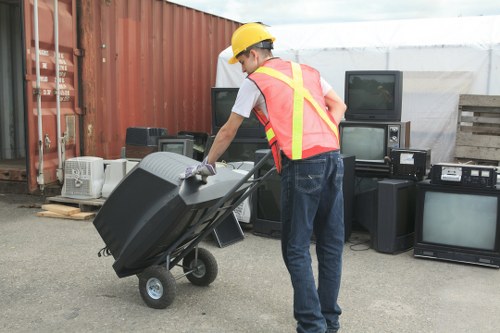
Office clearances are usually easier when the job is organised by zone. Reception, meeting rooms, workstations, storage areas and ancillary rooms often benefit from being tackled in a sensible order, especially where items need to pass through the same doors or corridors. We can work through the premises in a planned sequence so the building stays manageable while the clearance progresses.
In many cases, a simple preparation step helps. It is useful to identify any items that must remain on site, and to note anything that needs special handling because of access, weight or sensitivity. If you want to compare the clearance with other service types or see related property-scale options, office clearance is the principal service path and may be used alongside other pages on the site as needed.
Two practical points often make the biggest difference. First, a brief walk-through or room list helps confirm what is included before work begins. Second, access details such as floor level, parking restrictions, lift use or opening windows for removal can change the order of the job. Clear instructions at the outset reduce the chance of avoidable delays and make the clearance easier to coordinate.
Choosing the right clearance for your premises
Not every office requires the same scale of service. A small unit with a few surplus chairs and desks may need only a light clearance, while a full-floor workspace can include multiple rooms, storage spaces and equipment to sort through. The right approach depends on what is actually in the building, how quickly the space must be cleared and whether the job is part of a move, closure, refurbishment or routine changeover.
If you are planning a wider premises update, it may help to think about whether the job involves only furniture, or furniture plus general contents and waste. Where the main issue is old fixtures and reusable office items, furniture disposal can be relevant too, because it focuses attention on the end point for items that are no longer needed. That can make it easier to decide which rooms should be emptied first.
A good quotation request normally includes the type of office, the approximate volume of items and any access constraints. You do not need to prepare everything perfectly, but a clear description of the rooms and contents helps us understand the work involved. The more accurately the site is described, the more useful the suggested arrangement is likely to be.
About Purley
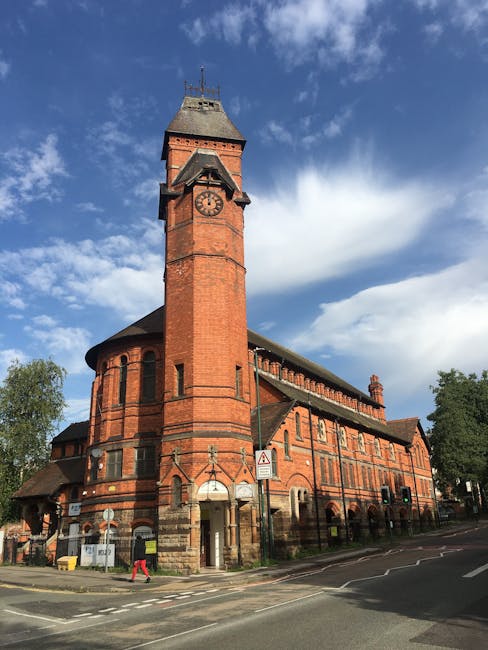
Purley is a district in the London Borough of Croydon, in south London, and it grew significantly with suburban rail expansion in the late nineteenth and early twentieth centuries. The area sits on the chalk landscape of the North Downs fringe, giving it a varied topography compared with much of inner London. Purley railway station is an important local transport point, and the district is connected to a wider network of routes that shaped its development as a commuter settlement. The name Purley has long been associated with the historic parish area, though modern Purley is now understood as part of a broader urban district rather than a standalone rural village. Its built environment includes interwar housing, later commercial premises and a mix of local shops and civic facilities clustered along the main roads. Nonsuch House and other surviving historic properties in the wider Croydon area reflect the older pattern of settlement nearby, while the district itself is better known for suburban streets and transport links. Local green spaces, including nearby parks and open land on the downs, contribute to the area’s residential character. Purley also sits close to the routes that link Croydon with towns to the south, which makes it a practical point within the greater south London landscape. The district’s everyday identity is shaped by rail travel, local services and the balance between residential streets and commercial frontages, with a history that reflects the wider growth of outer London.
Clearances for offices in active commercial buildings
Office clearance in occupied buildings needs a measured approach. Shared entrances, neighbouring tenants and working hours all affect how quickly a room can be emptied and how much disturbance the job creates. We can manage clearances around normal commercial use by keeping the work focused on the agreed areas and by moving items in a way that respects the layout of the premises. This is especially helpful in multi-let buildings or offices with reception control.
When several groups use the same building, the clearance may need to be broken into smaller phases. One area might be ready to empty straight away, while another stays in use until later in the schedule. If you are dealing with a larger site that also includes general waste or mixed contents, waste removal may be a useful related page because it covers the broader removal side of the job in a way that complements a clearance plan.
Security, keys, fobs and access arrangements can also shape how an office clearance is carried out. If the building has restricted entry or specific collection times, those details should be included when you ask for a quotation. That makes it easier to judge what the job involves and how the clear-out can be fitted into the working day.
Handling different office contents

Many offices contain a mix of ordinary furniture and smaller items that need sorting before removal. Filing materials, printers, monitors, keyboards, cable runs, wall accessories, small shelves and packaging often build up alongside heavier pieces. A careful clearance looks at the whole room rather than focusing only on the most obvious items, because the smaller objects can affect the time needed as much as the furniture itself.
For some premises, the clearance may also include furniture that is no longer wanted but is still structurally sound. In those cases, the type of item and its condition can guide how it is handled. If the emphasis is on bulky household-style furniture or mixed items from another type of property, flat clearance can be a useful related service page to compare, although office work remains a separate commercial task.
Where there are items that must be kept aside, it is sensible to identify them before removal begins. A room-by-room check of shelves, drawers and cupboards can prevent accidental loss of useful materials. That does not need to be complicated; even a basic list of what stays and what goes can save time later and keep the clearance more orderly.
Practical factors that affect the quotation
The main factors in an office clearance quotation are usually the amount of material, the type of items, the ease of access and the time needed to complete the work. A few chairs in one room will not be treated in the same way as a full suite of desks, storage units and loose contents across several floors. The more varied the contents, the more important it is to understand how the work will be staged.
Additional details can also matter. Stairs, narrow corridors, loading restrictions, parking access and security procedures may all influence how the clearance is organised. If you are also comparing the removal of garden items or outdoor storage from an office property, garage clearance may help as a parallel page for enclosed storage spaces, but it should only be used where that is genuinely part of the project.
A sensible enquiry includes the type of office, the approximate quantity of items and any special handling points. Simple, accurate information is usually better than a long description, because it lets the job be understood quickly without confusion. If some rooms are empty and others are full, that distinction is worth mentioning, since it changes the overall scope.
Why businesses use a clearance service
Businesses often need office clearance at moments of change: a move, a refit, a lease end, a reduction in space or the clearing of rooms that have been used for storage over many years. In each case, the goal is usually the same: remove what is no longer required so the premises can be used more efficiently. A proper clearance can help a site feel more manageable before the next stage begins.
Where an office includes large quantities of unwanted furniture or mixed contents, it may be worth checking whether house clearance is relevant to any part of the contents if the project has become mixed-use or includes residential-style items. That said, business premises usually benefit from a clearance that focuses specifically on the office environment and its practical constraints.
It also helps to think about the end use of the space. A room that will be refurbished may need a fuller clearance than one that will simply lose a few items. The more clearly the purpose is defined, the easier it is to tailor the clearance so the right items are removed and the remaining areas are left ready for the next step.
Book a quotation for office clearance in Purley

If you need office clearance in Purley, the quickest way to start is to outline the rooms involved, the kind of furniture or contents present and any access details that may affect the job. We can then consider the scope in practical terms and help you decide what level of clearance is appropriate. If your project also involves a wider review of costs, contact us when you are ready to request a quotation.
You do not need to sort every item before asking. A brief explanation of the premises, the main contents and the timing you have in mind is usually enough to begin. If there are items that must stay in place, or areas that must be completed first, mention those points early so the clearance can be planned in a sensible order.
Whether the job is a small office room or a broader commercial clear-out, we aim to make the process straightforward to arrange. Share the details that matter, ask for a quotation, and choose the clearance approach that best fits your office and your schedule.