How to Reduce the Footprint of PPE Waste Through Proper Disposal
In recent years, the use of Personal Protective Equipment (PPE) has skyrocketed across the world. Whether in healthcare, industries, or daily activities, PPE--such as masks, gloves, gowns, and face shields--has become a critical shield against infectious diseases, pollutants, and hazardous substances. However, this surge in PPE usage has given rise to a challenging environmental issue: PPE waste management. Understanding how to reduce the footprint of PPE waste through proper disposal is essential for individuals, businesses, and governments committed to environmental sustainability.
Understanding PPE Waste and Its Environmental Impact
Personal Protective Equipment waste refers to the discarded items--often made of single-use plastics and synthetic materials--that are designed to protect humans from harm. Unfortunately, these items are typically not biodegradable and can persist in the environment for centuries.
- Non-biodegradable materials: Most PPE, especially disposable masks and gloves, are made from polypropylene and other plastics that break down very slowly.
- Marine pollution: Improper PPE disposal can result in items finding their way into water bodies, harming marine life and disturbing aquatic ecosystems.
- Microplastics: As PPE fragments over time, it releases microplastics that contaminate water, soil, and even the food chain.
- Public health risk: PPE that carries potential pathogens poses ongoing risks to community and waste workers if not disposed of correctly.
Statistics Highlighting the PPE Waste Crisis
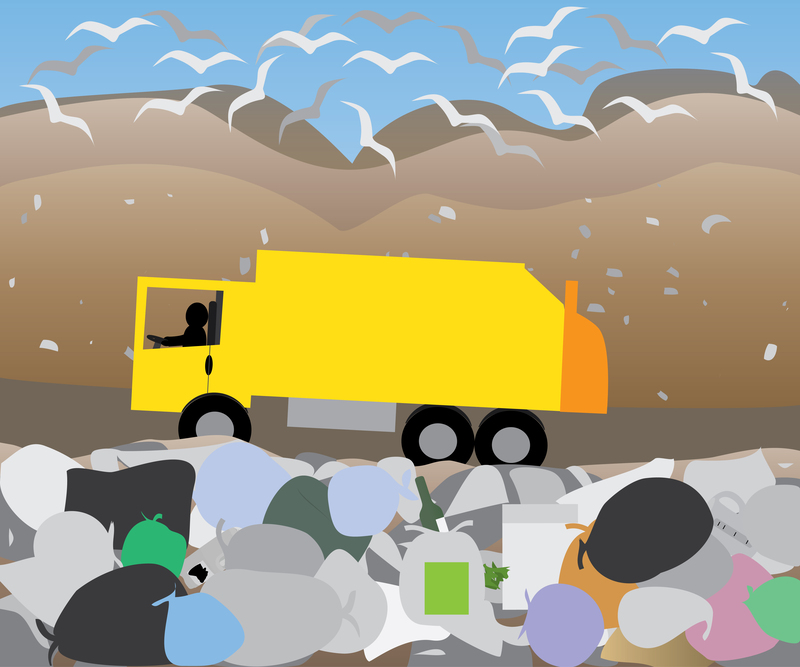
Several global reports estimate that over 129 billion face masks and 65 billion gloves are used monthly worldwide, with a significant portion ending up in landfills or littering the environment. This scale of waste underscores the urgency of adopting sustainable PPE practices and implementing effective PPE waste reduction strategies.
Why Proper PPE Disposal Matters
Reducing the footprint of PPE waste goes far beyond tidiness or government regulation--it safeguards human health, protects ecosystems, and supports long-term sustainability. Proper PPE disposal ensures:
- Minimization of pollution: Prevents hazardous materials and plastics from entering waterways and landfills.
- Conservation of resources: Reduces the demand for raw materials used in manufacturing new PPE when recycling or reuse is possible.
- Protection for waste workers: Safe disposal lowers the risk of exposure for those handling waste.
- Legal compliance: Many jurisdictions have strict guidelines for managing PPE waste, particularly in healthcare and industrial sectors.
PPE Waste Management Regulations and Guidelines
The World Health Organization (WHO), Centers for Disease Control and Prevention (CDC), and many regional agencies have published protocols for handling and disposing of PPE waste. Adhering to these regulations is not only ethically responsible, but also essential for maintaining public health standards.
Best Practices to Reduce PPE Waste Footprint
Minimizing the impact of PPE waste requires a comprehensive approach involving reduction, reuse, recycling, and proper disposal. Let's explore actionable strategies for each step.
1. Reduce PPE Usage Where Possible
- Opt for reusable PPE: Where circumstances allow, choose washable and reusable masks, gowns, and eye protection instead of disposables.
- Adopt smart usage policies: Reduce unnecessary use by limiting PPE to high-exposure scenarios and encouraging alternatives when safe--such as physical distancing or barriers.
*Case Example:* Some hospitals now use re-sterilizable respirators rather than single-use N95 masks, significantly cutting down on waste.
2. Segregate PPE Waste at Source
- Clear labeling: Use separate and distinctly marked bins for PPE waste, especially in public spaces and healthcare environments.
- Prevent contamination: Always dispose of PPE separately from recyclables and organic waste to facilitate safer handling and processing.
3. Implement PPE Recycling Programs
Though challenging, PPE recycling is an essential component of reducing environmental impact.
- Specialized recycling schemes: Some companies have developed methods to recycle polypropylene from masks and gowns into construction materials or new products.
- Community collection points: Setting up drop-off locations for used PPE encourages proper disposal and creates a supply for recycling entities.
Note: Not all PPE can be recycled due to potential contamination, but clean masks and protective gear from non-medical contexts may be eligible.
4. Safe and Responsible PPE Disposal
- Bag PPE waste securely: Always seal used PPE in designated bags before disposing of them in general waste.
- Follow local guidelines: Adhere strictly to your region's protocols for PPE and hazardous waste management.
- Educate users: Training staff, patients, and the public in safe disposal practices is crucial.
Innovative Solutions for Reducing PPE Environmental Impact
Eco-friendly PPE Alternatives
The development and adoption of biodegradable PPE have gained momentum. Some manufacturers now offer face masks and gloves made from plant-based plastics or natural fibers, which decompose under industrial composting conditions.
- Compostable masks: Made from corn starch, bamboo, or hemp, these masks reduce landfill burden.
- Reusable elastomeric respirators: Designed for hundreds of uses and easy sanitation, they eliminate the need for constant disposal.
Energy Recovery from PPE Waste
Some waste management facilities are exploring pyrolysis and other energy recovery techniques to convert waste PPE into fuel. This approach, if properly managed, can offset fossil fuel use and reduce the environmental load of PPE disposal.
Upcycling and Creative Reuse Initiatives
Forward-thinking organizations and artists have begun collecting clean PPE waste to create construction materials, art installations, and even eco-friendly furniture. These upcycling projects give PPE waste a new life and educate the public on waste reduction possibilities.
How Individuals Can Help Reduce PPE Waste Footprint
Tackling the problem of PPE pollution requires collective effort. Here's how individuals can make a difference:
- Choose reusable PPE whenever possible
- Dispose of used PPE in designated bins, never littering streets or natural environments
- Compost biodegradable PPE if available and the local system allows it
- Educate friends and family about the impact of PPE waste and proper protocols
- Support businesses and initiatives developing sustainable PPE products
Children and PPE Waste Education
Schools and families have a unique role: Teaching children proper mask disposal, encouraging reuse practices, and involving them in clean-up projects builds lifelong habits for sustainability.
Institutional and Government Responsibility in PPE Waste Management
Healthcare Facilities
Hospitals and clinics are among the largest PPE users. To reduce the overall environmental impact, these institutions should:
- Develop and enforce strict PPE segregation policies
- Staff comprehensive training programs on safe disposal
- Partner with certified medical waste recyclers
- Audit PPE inventory and consumption rates to optimize purchasing
- Adopt reusable PPE for non-critical applications
Industrial and Commercial Establishments
- Provide clear PPE disposal instructions for employees
- Establish collection and recycling contracts with waste management firms
- Invest in on-site sterilization or waste-to-energy equipment where feasible
Government Policies and Incentives
- Enforce regulations on proper PPE disposal and littering
- Provide funding for sustainable PPE research and recycling infrastructure
- Launch public awareness campaigns and community clean-up events
- Offer incentives to companies using recycled or biodegradable PPE materials
Challenges in PPE Waste Reduction
While the benefits of reducing PPE waste are clear, several barriers must be overcome:
- Cost barriers: Reusable and biodegradable PPE options are often more expensive upfront.
- Logistical issues: Segregation, collection, and processing require new routines and infrastructure.
- Public awareness: Many individuals are still unaware of the environmental impact of PPE waste and proper disposal methods.
- Technical limitations: Some PPE cannot be effectively recycled due to contamination concerns.
Addressing the Obstacles
Education, incentives, and innovation are key. Governments and organizations should invest in public campaigns and support advancement in recyclable/compostable PPE materials and accessible waste collection systems.
Conclusion: A Collaborative Path to Reducing PPE Waste Footprint
The global proliferation of PPE has safeguarded millions but created a mounting environmental challenge. Through concerted action--embracing sustainable PPE choices, advocating for better waste management, and fostering innovation in disposal and recycling--we can minimize the ecological impact of PPE waste while maintaining public health and safety.
As individuals, businesses, and policymakers, let's commit to reducing the footprint of PPE waste through proper disposal. By choosing wisely, disposing responsibly, and supporting systemic change, we can restore balance between personal protection and planetary well-being.
Key Takeaways
- The improper disposal of PPE leads to pollution, microplastic generation, and health risks.
- PPE waste can be reduced and managed through reduction, segregation, recycling, and safe disposal practices.
- Innovation in biodegradable PPE and waste-to-energy solutions can drastically cut the worldwide PPE waste footprint.
- Both individuals and institutions have critical roles to play in minimizing the environmental impact of PPE.
Together, we can champion a greener, healthier future--one piece of PPE at a time.
```