Bulky Waste in Purley: Typical Costs and Tips
If you've got an old sofa wedged in the hallway, a broken wardrobe in the spare room, or a stack of flat-pack leftovers that never quite made it to the tip, you're not alone. Bulky waste has a habit of building up quietly, then suddenly becoming the one job you can't ignore. This guide to Bulky Waste in Purley: Typical Costs and Tips walks you through what counts as bulky waste, what it usually costs to remove, and how to avoid the common headaches that catch people out. Whether you're clearing a flat near Purley Station or dealing with a full house declutter on a Saturday morning, the aim here is simple: help you make a sensible, low-stress decision.
To make this genuinely useful, we'll cover the practical stuff most people want first: pricing, collection methods, what affects the bill, and how to prepare items so the job goes smoothly. We'll also look at local considerations, best practice, and a few easy ways to save money without cutting corners. Truth be told, a little planning goes a long way here.
Table of Contents
- Why Bulky Waste in Purley: Typical Costs and Tips Matters
- How Bulky Waste in Purley: Typical Costs and Tips Works
- Key Benefits and Practical Advantages
- Who This Is For and When It Makes Sense
- Step-by-Step Guidance
- Expert Tips for Better Results
- Common Mistakes to Avoid
- Tools, Resources and Recommendations
- Law, Compliance, Standards, or Best Practice
- Options, Methods, or Comparison Table
- Case Study or Real-World Example
- Practical Checklist
- Conclusion
- Frequently Asked Questions
Why Bulky Waste in Purley: Typical Costs and Tips Matters
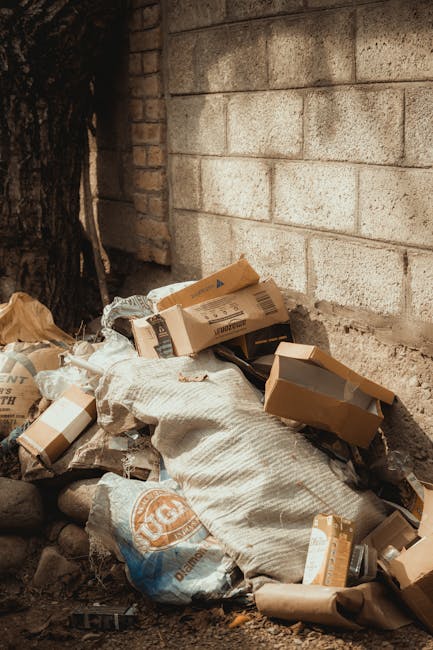
Bulky waste is one of those jobs that looks simple until you start lifting, measuring, and trying to work out where it all goes. In Purley, where homes range from compact flats to family houses with gardens, bulky items can pile up fast: mattresses, wardrobes, broken white goods, garden furniture, exercise equipment, carpets, and renovation leftovers all count as the kind of awkward waste that regular household bins won't take.
The reason this topic matters is not just convenience. Bulky items can take up valuable space, create safety risks, and become a nuisance if they're left in a hallway, driveway, or shared communal area. A sofa with a broken frame is more than an eyesore; it can block access, attract damp, or make a property harder to stage for sale or rental. For landlords, letting agents, and homeowners alike, dealing with bulky rubbish properly is part of keeping a place liveable and presentable.
There's also the cost angle. Many people assume all bulky waste removal is expensive, but that isn't always the case. Costs depend on how much there is, how heavy it is, how easy it is to access, and whether items need special handling. A single mattress collected from a ground-floor porch is a different job from dismantling and removing a large sectional sofa from a top-floor flat with narrow stairs. Small difference, big impact on price. If you want to understand the wider service picture, it can help to look at related support such as rubbish removal and house clearance, because bulky waste often sits somewhere between the two.
Practical takeaway: the cheapest option is not always the best value. A well-planned bulky waste collection usually saves time, reduces stress, and helps avoid extra charges for labour, access, or missed preparation.
How Bulky Waste in Purley: Typical Costs and Tips Works
At a practical level, bulky waste removal follows a fairly straightforward pattern. You identify the items, decide whether they can be reused, recycled, or disposed of, then choose the most suitable removal route. That might be a local authority collection, a private removal service, or a skip if the job is bigger and you have space for one.
Typical costs are usually shaped by a few core factors:
- Volume: how much space the waste takes up in the vehicle or container.
- Weight: heavy items such as white goods, wood, or metal can increase handling effort.
- Access: stairs, narrow corridors, parking restrictions, and long carry distances can add labour time.
- Item type: mattresses, fridges, sofas, wardrobes, and mixed-load waste may each be priced differently.
- Disposal route: some items require separation, recycling, or specialist treatment.
- Urgency: same-day or short-notice collections can cost more.
In the real world, you'll often see pricing quoted in one of three ways: per item, per load, or by estimated van space. A single bulky item might be straightforward to price, but mixed loads are usually assessed by photos or a quick description. If you've ever tried to estimate how much "a bit of old furniture" actually is, you'll know how slippery that can be. One person's "small pile" is another person's full van.
For larger clear-outs, especially where several rooms are involved, it may make sense to combine bulky waste collection with a broader clearance service. If the job includes loft contents, garage clutter, or property turnover waste, a broader service such as garden clearance or office clearance may be more efficient than booking separate visits.
One more thing: reputable operators will normally sort waste with disposal in mind. That means separating recyclable materials where possible and avoiding careless mixed dumping. Not glamorous, no, but it matters.
Key Benefits and Practical Advantages
People usually think of bulky waste removal as a cleaning task, but there are some very real practical advantages. The obvious one is space. Freeing up a room, garage corner, or driveway can make a property feel usable again almost immediately. The less obvious one is momentum. Once the awkward stuff is gone, the rest of the declutter often feels much easier.
Here are the main benefits most Purley residents notice:
- Faster property reset: useful after moving, renovating, letting, or downsizing.
- Less physical strain: heavy lifting is risky, especially with mattresses, wardrobes, and appliances.
- Cleaner access routes: important in shared buildings or homes with limited hallway space.
- Better recycling outcomes: a proper service can separate items more responsibly than ad hoc dumping.
- Reduced stress: one scheduled removal is easier than several frustrating trips to the tip.
There is also a time-saving angle that's easy to underestimate. Many people spend an entire morning trying to fit a sofa into a car, only to realise it will not budge without tools, blankets, and a second person. At that point, what seemed like a simple errand has turned into a minor domestic saga. A decent collection service can remove that friction completely.
If you are comparing services, it helps to understand the full menu of disposal-related support. For example, a commercial waste removal option may be more suitable for business premises, while domestic clear-outs may align better with household-focused services. Matching the job to the right service is often where the savings happen.
Who This Is For and When It Makes Sense
Bulky waste services are useful for more people than you might think. Homeowners use them after a renovation or spring clean. Tenants call them before moving out, especially when a landlord expects the property returned clear. Landlords and letting agents use them when furniture is left behind after a tenancy ends. Small businesses need them when office furniture, filing cabinets, or reception seating needs to be cleared quickly.
It can make sense to book bulky waste removal when:
- you have items too large for your vehicle
- the waste is too heavy or awkward to move safely
- you need items removed before viewings, handovers, or a refurbishment
- there are multiple large items rather than a single object
- you want to avoid the time and effort of multiple disposal trips
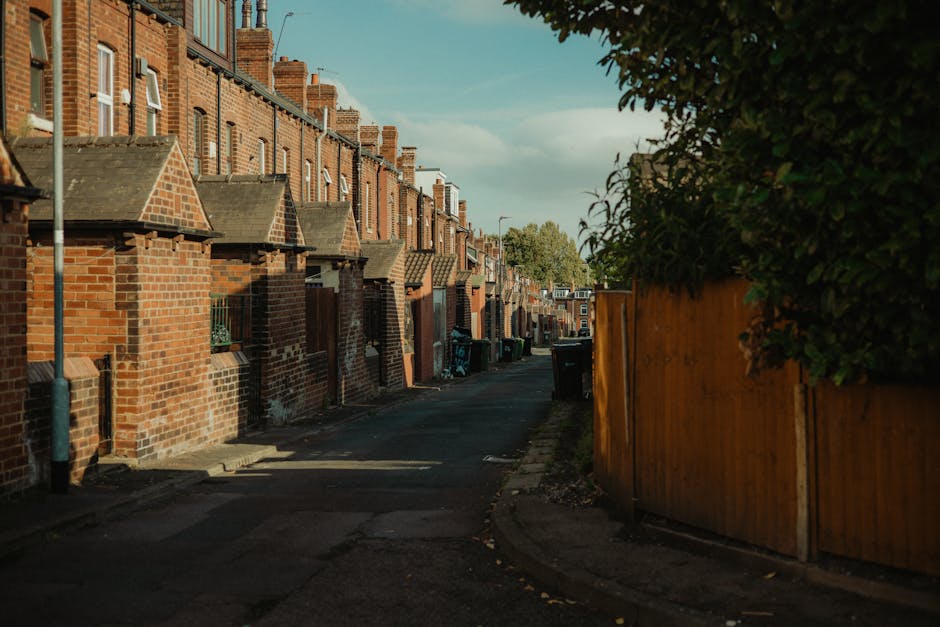
Some situations are especially common in Purley. Think of a Victorian terrace where a bed frame has to come down a narrow staircase, or a modern flat where lift access is limited and parking is tight. In those cases, the inconvenience is not just about lifting. It is about planning. Who parks where? How far is the carry? Is there room to dismantle the item first? These small questions often determine whether the job feels easy or turns into a hassle.
If the property has accumulated more than a few bulky pieces, a broader garage clearance or loft clearance approach may be a better fit. Sometimes the "bulky waste job" is really part of a bigger declutter, and that distinction matters.
Step-by-Step Guidance
If you want to keep costs sensible and avoid surprises, it helps to work through the process in a simple order. Nothing fancy. Just the basics done properly.
- List the items clearly. Write down what needs removing and note whether anything is especially heavy, fragile, or awkward.
- Take photos. A few clear images usually help with quoting and reduce the chance of misunderstandings.
- Measure larger items. Sofa length, wardrobe height, or appliance width can matter more than you expect.
- Check access. Stairs, gates, lifts, parking, and distance from the property entrance all affect the job.
- Decide whether dismantling is possible. Removing a table leg or flat-pack bed frame can cut time and cost.
- Sort what can stay. Don't pay to remove things you actually want to keep. It sounds obvious, but it happens.
- Request a clear quote. Make sure it covers labour, loading, disposal, and any likely extras.
- Prepare the items. Move them to an accessible spot if safe to do so, and keep walkways clear.
- Confirm what happens on the day. Ask whether the team will collect from inside, outside, or a specific location.
A quick tip: if you are removing several objects, group them by type before you get a quote. Soft furnishings, wood, metal, and appliances can all be treated differently. The cleaner the description, the easier it is to avoid guesswork. And guesswork is where awkward price surprises tend to hide.
Expert Tips for Better Results
After enough bulky removals, you start to see the same patterns. A little preparation usually saves more than people expect. A badly prepared collection, on the other hand, can become one of those jobs everybody wishes had been done an hour earlier.
1. Separate reusable items first
If a chair, table, or appliance still has life left in it, consider whether it can be reused or passed on. Even if you are not arranging donation yourself, separating reusable pieces from damaged waste helps you think clearly about what really needs to be removed.
2. Make the load as simple as possible
Mixed waste is harder to process than a neat load of similar materials. If you can keep the bulky items together and separate from general rubbish, that often makes the job smoother. Not always cheaper, but smoother, which is not nothing.
3. Be honest about awkward access
If there's a tight stairwell, a double parking restriction, or a broken lift, say so upfront. It may feel like over-sharing, but it prevents wasted time and unplanned charges. Better to be slightly too detailed than not detailed enough.
4. Think about timing
Busy periods, end-of-month moves, and school holiday weeks can all affect availability. If your collection is tied to a move-out date or builder schedule, book early where you can. A calm Tuesday morning is usually easier than a frantic Friday afternoon.
5. Ask what is included
Does the quote include loading from upstairs? Does it cover dismantling? Is there a minimum charge? The best value is often in the detail. If you want a wider view of service structure, the waste removal and house clearance pricing pages can help you understand how jobs are typically packaged and priced.
Expert note: the smoothest bulky waste jobs are rarely the most dramatic ones. They are the ones where the customer shares clear information, the items are accessible, and the quote reflects the real job rather than a rough guess.
Common Mistakes to Avoid
A lot of avoidable frustration comes from a few recurring mistakes. The good news is that they're easy to sidestep once you know them.
- Booking without checking item size: a "small" wardrobe may not be small in a narrow hallway.
- Assuming all waste is treated the same: appliances, mattresses, and mixed debris can be handled differently.
- Forgetting access issues: parking fines, long carry distances, and stairs all affect the job.
- Leaving fragile contents inside: drawers, shelves, and cupboards should be emptied first.
- Not asking about extra fees: waiting time, dismantling, or difficult access may change the final cost.
- Trying to move unsafe items yourself: this is where back strains and broken edges happen.
There is another mistake that sounds minor but matters more than people think: not checking whether all of the item can be removed. For instance, a wet mattress or a damaged sofa with hidden contamination may need different handling than ordinary household furniture. If anything feels uncertain, ask before collection day. No drama, just clarity.
And yes, sometimes people do leave a collection too late and end up moving a sofa at 9pm by torchlight. Funny in hindsight. Less funny when you're tired and the sofa is somehow still wider than the doorway.
Tools, Resources and Recommendations
You do not need a van full of gadgets to deal with bulky waste, but a few simple tools can make the process easier and safer.
- Measuring tape: useful for checking whether items will fit through doors, lifts, or stair turns.
- Phone camera: photos help with quoting and planning.
- Basic screwdriver or hex key set: handy for dismantling flat-pack furniture.
- Work gloves: useful for rough edges, splinters, and old fixtures.
- Strong bin bags or boxes: helpful if you are clearing smaller items before bulky collection.
- Floor protection: blankets or cardboard can reduce scuffs on internal floors during moving.
From a service perspective, it is worth looking at how a provider handles related needs, not just the visible pile of waste. If the job includes a mixture of furniture and general clutter, a combined clearance approach is often better than trying to split it into separate visits. Services such as flat clearance can be a better fit for smaller homes or apartments with access constraints.
Recommendations, in plain English: ask for a clear scope, prepare access, and avoid assuming a "cheap quote" is complete. If it seems unusually low, there may be a reason. Sometimes there isn't. Often there is. You want the job done properly the first time, not tidied up in a second round.
Law, Compliance, Standards, or Best Practice
When dealing with bulky waste in the UK, the safest approach is to use a responsible removal route and ensure the waste goes to an appropriate facility or processing stream. You do not need to become a compliance expert to get this right, but you should be cautious about who handles your waste and how it is described.
Here are a few sensible best-practice points:
- Use a legitimate disposal route: avoid handing waste to anyone who cannot explain where it will go.
- Keep proof of collection where possible: this can be useful if you later need to confirm that the waste was taken away properly.
- Do not assume all items can be mixed: some waste types need special care, particularly appliances or materials with electrical components.
- Respect access and neighbour considerations: shared entrances, parking spaces, and quiet hours all matter in residential areas.
- Be careful with hazardous items: bulky waste is not the same as hazardous waste, and anything with chemicals, gas, or unknown contents should be handled separately.
If you are a landlord, managing agent, or business owner, there is also a duty to be organised about waste transfer and removal records. The detail varies by situation, so it is best to follow standard UK waste-handling practice rather than improvising. To be fair, it is one of those things that sounds dull until something goes wrong. Then it becomes very interesting very quickly.
Best practice is simple: know what you have, separate what needs special handling, and use a provider that can explain the process clearly. That alone removes most of the risk.
Options, Methods, or Comparison Table
Most people in Purley will choose one of three routes for bulky waste. Each has its place, and the right choice depends on volume, urgency, access, and how hands-on you want to be.
| Option | Best for | Typical advantages | Limitations |
|---|---|---|---|
| Local authority collection | Small numbers of items, non-urgent jobs | Convenient for simple removals, often straightforward | Can have booking limits, item restrictions, or longer waits |
| Private bulky waste collection | Fast removals, awkward access, mixed items | Flexible timing, labour included, less lifting for you | Price can vary depending on volume and access |
| Skip hire | Larger clear-outs, renovation debris, ongoing projects | Useful for bigger volumes and staged loading | Needs space, permits may be relevant, and lifting is still on you |
In practice, the best option is usually the one that fits your property rather than the one that sounds cheapest on paper. A skip may be perfect for a driveway renovation job but awkward for a flat with no outdoor space. A collection service may cost a little more, yet save you an entire day of effort. That trade-off is often worth it.
If your bulky waste is part of a larger declutter, you might also consider a focused service like end of tenancy cleaning alongside clearance, especially when you're preparing a place for handover. A clean, empty space always feels easier to manage. Always.
Case Study or Real-World Example
Imagine a typical Purley scenario. A couple are moving from a first-floor flat near the high street and have a broken bed frame, an old mattress, a two-seat sofa, and a dismantled wardrobe they never quite finished assembling. The hallway is narrow, there's only limited parking nearby, and move-out day is the next morning.
At first glance, they think it is "just a few bits." Once measured properly, though, the load becomes more awkward. The wardrobe panels are long, the mattress is bulky, and the bed frame needs to come down in pieces. They could try a self-haul, but the car is too small and the stairs are awkward. Not ideal.
They take photos, confirm access, and prepare a clear list. That makes the quote more accurate and avoids a last-minute scramble. On collection day, the team arrives, removes the items, and clears the route without disturbing neighbours. The job is done in a fraction of the time it would have taken them alone. Slightly boring, maybe. But wonderfully boring when you've got a move to complete.
The lesson here is not that every job needs professional help. It is that once bulky items are awkward, heavy, or time-sensitive, the cost of handling them yourself starts to rise quietly. Fuel, parking, labour, sorting, and stress all add up. Sometimes the better choice is simply the cleaner one.
Practical Checklist
Use this quick checklist before you book or move anything:
- List every bulky item that needs removing
- Take photos from different angles
- Measure large items and tight access points
- Check whether items can be dismantled safely
- Separate reusable, recyclable, and disposable items where possible
- Confirm parking or access arrangements
- Ask what is included in the quote
- Check whether any item needs special handling
- Clear pathways before collection day
- Keep a note of the agreed collection time and scope
If you can tick most of those boxes, you are already ahead of the game. Not every bulky waste job needs deep planning, but a little structure removes most of the uncertainty. That's the trick, really.
Conclusion
Bulky waste in Purley does not have to be difficult or expensive, but it does reward a bit of planning. The best outcomes usually come from clear item lists, honest access details, and choosing the right disposal route for the size of the job. Once you understand the main cost factors, the whole process becomes less mysterious and a lot easier to control.
Whether you are clearing one awkward sofa or dealing with a full room of unwanted furniture, the key is to avoid rushing. Compare your options, think about labour and access, and prepare the items as well as you reasonably can. That one bit of effort often saves time, money, and a fair amount of faff on the day.
Get a free quote today and see how much you can save.
And if the pile is staring back at you from the corner of the room right now, don't worry. It can be dealt with, and usually sooner than you think.
Frequently Asked Questions
What counts as bulky waste in Purley?
Bulky waste usually means items too large, heavy, or awkward for standard household bins. Common examples include sofas, mattresses, wardrobes, tables, appliances, and garden furniture. If it is difficult to carry or takes up significant space, it likely counts.
How much does bulky waste removal typically cost?
Costs vary depending on volume, item type, access, and urgency. A single easy-to-reach item will usually cost less than a mixed load from an upper-floor property. The most reliable way to understand price is to request a quote based on photos and a clear item list.
Is it cheaper to use a skip or a bulky waste collection service?
It depends on the job. A skip can work well for larger renovations or ongoing clear-outs, especially if you have driveway space. A collection service is often better for one-off bulky items, awkward access, or situations where you want the labour included.
Can I leave bulky waste on the pavement for collection?
Usually, no. Waste left in a public area can create safety and enforcement issues. It is better to confirm the agreed collection point in advance and avoid placing items out early unless the service has specifically instructed you to do so.
Do I need to dismantle furniture before removal?
Not always, but dismantling can make the job faster and sometimes cheaper. If you can safely remove table legs, bed slats, or wardrobe doors, it may help. Do not force anything or risk injury just to save a little time.
What should I do with appliances like fridges or freezers?
Appliances often need separate handling because they can contain electrical components or materials requiring specific treatment. It is best to tell the remover exactly what you have so they can confirm the right disposal method.
How do I prepare bulky items for collection?
Clear the path, remove loose contents, group items together, and take photos if you are asking for a quote. If possible, place items in an accessible area without blocking exits or shared walkways. Small preparation can make a surprisingly big difference.
Can bulky waste removal include mixed rubbish and furniture?
Yes, often it can, but mixed loads may be priced differently depending on what is included. Furniture, general waste, wood, and appliances may each affect the final quote. It is always better to describe the mix clearly rather than say "a bit of everything."
What if I only have one item to remove?
Single-item removals are common. They may still be worth booking if the item is heavy, too large for your car, or hard to move safely. A sofa, mattress, or wardrobe can be more trouble than it first appears, even if it is just one piece.
How can I keep bulky waste costs down?
Be clear about what needs collecting, provide photos, prepare access, and group items neatly. If you can safely dismantle furniture or combine items into one visit, that can help too. The main thing is to avoid surprises on the day.
Is bulky waste removal suitable for landlords or agents?
Yes. It is commonly used for end-of-tenancy clearances, abandoned furniture, and property turnarounds. For landlords and agents, the key is to document the items, confirm access, and ensure the waste is handled responsibly.
What should I ask before booking a collection?
Ask what is included, how the quote is calculated, whether labour is covered, and whether difficult access changes the price. If any item is unusual, damaged, or especially heavy, mention it early. Clear questions usually lead to a cleaner, smoother job.